-
3 min read
The Open Riser Stair Problem Matching Laminate to Hardwood
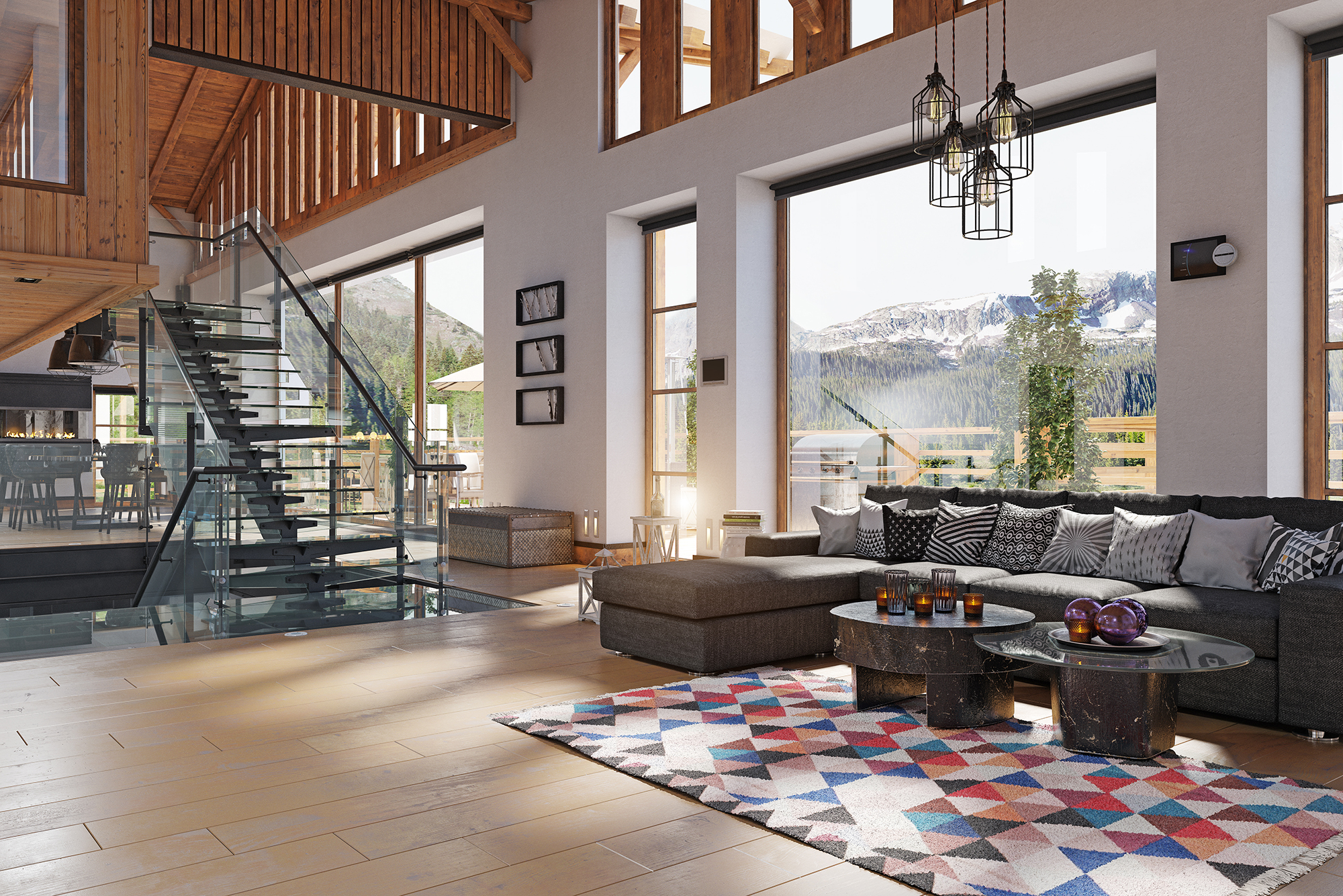
Open-riser stairs create a highly visible transition point in modern homes. Matching laminate to hardwood here requires precision and the right materials.
Open-riser stairs create a highly visible transition point in modern homes. Matching laminate to hardwood here requires precision and the right materials.
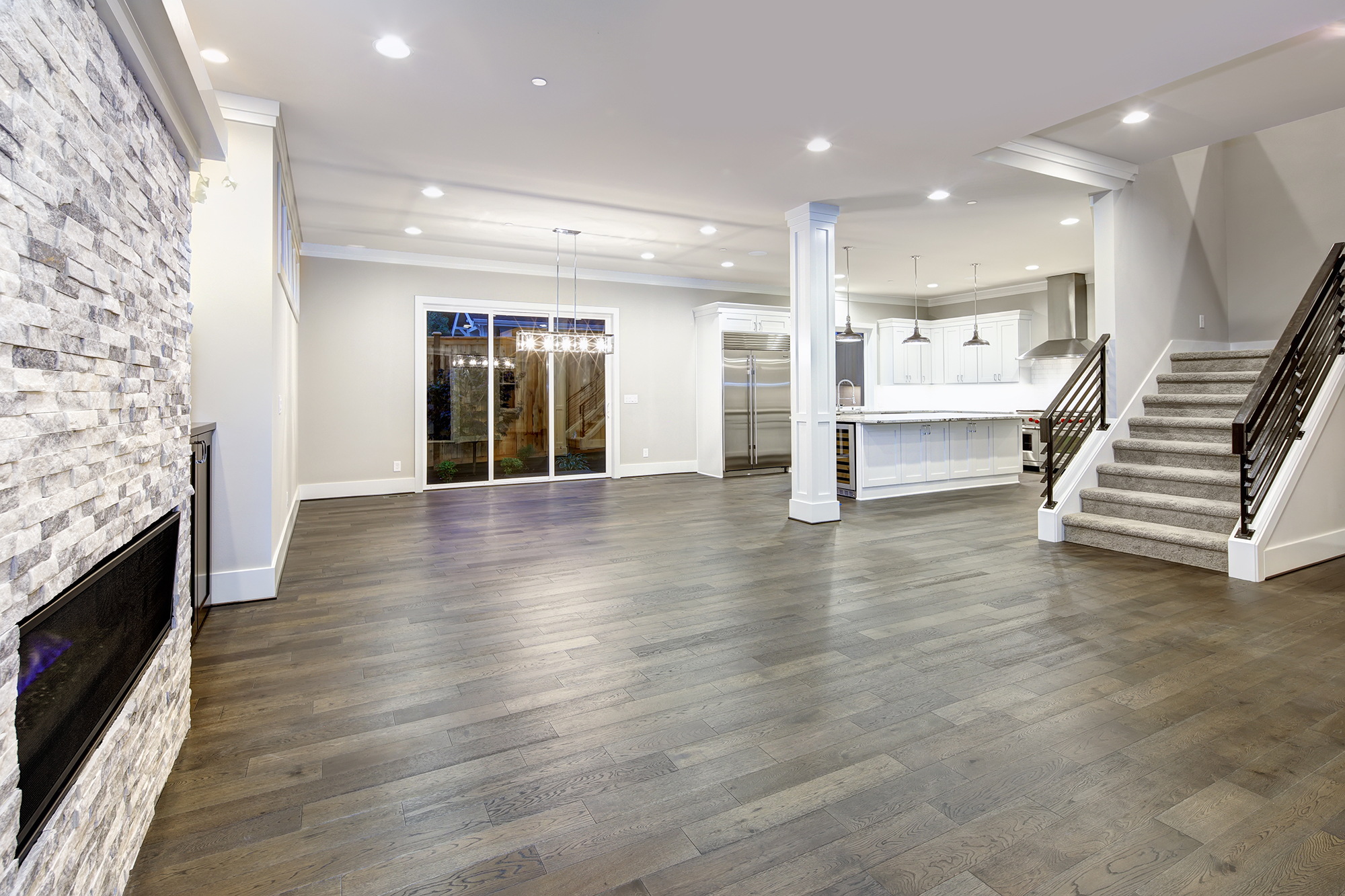
Many homeowners rely on wear layer thickness when choosing laminate flooring. But performance depends on far more than a single number.
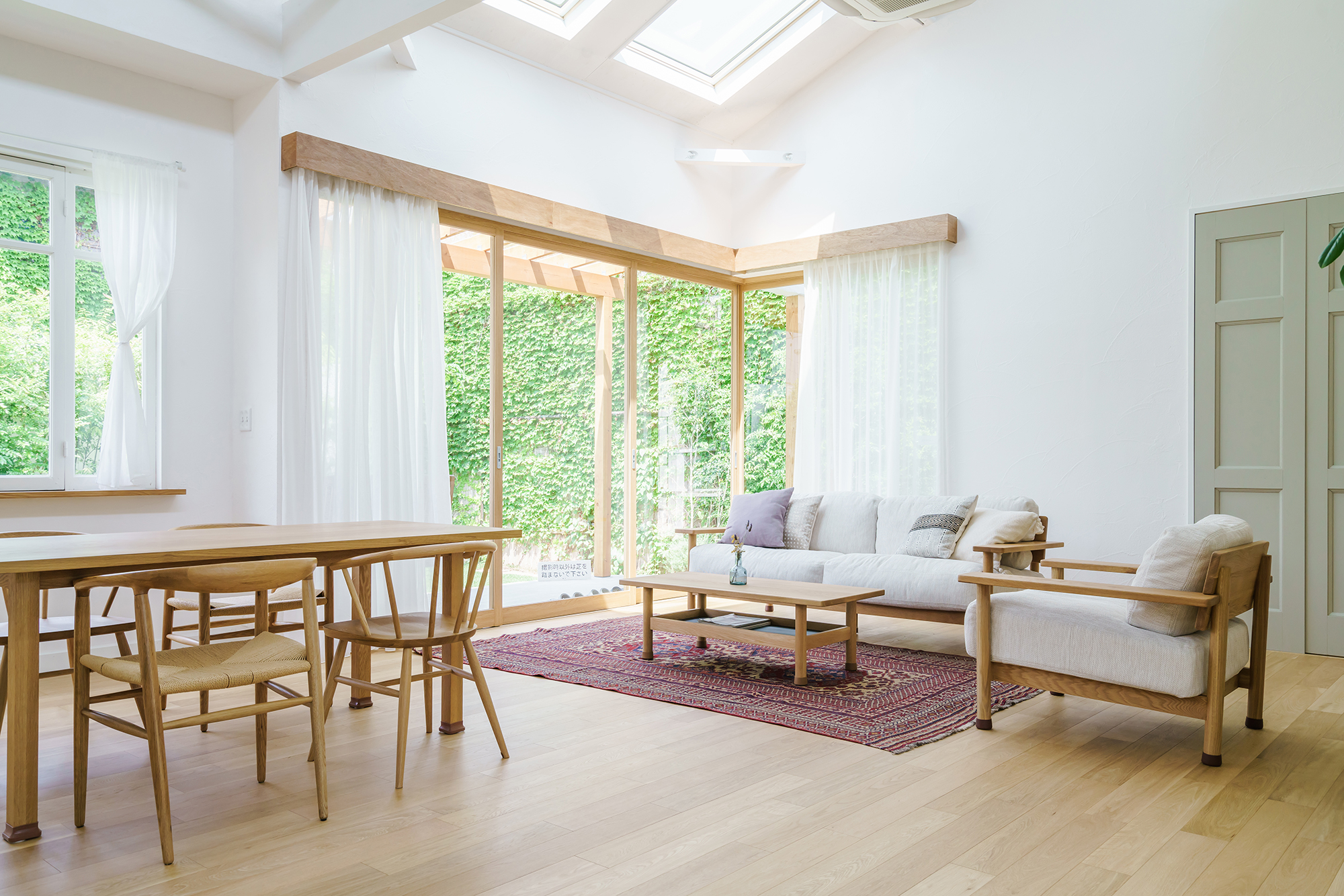
Wirebrushed white oak has dominated flooring trends for years. But in coastal San Diego homes, its long-term performance and aesthetic are starting to shift.
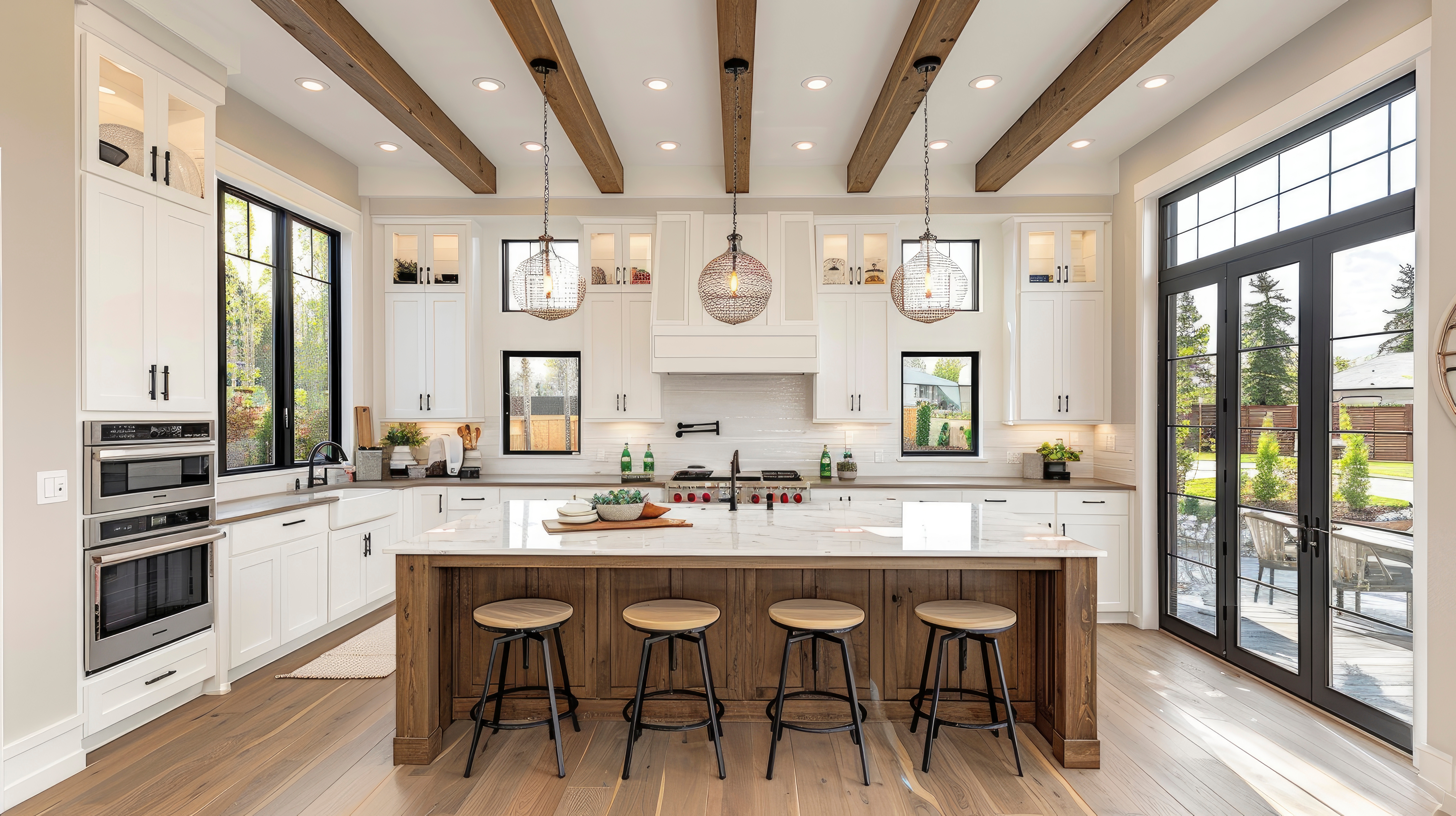
This article explains why laminate fails at sliding doors and how to prevent costly damage.
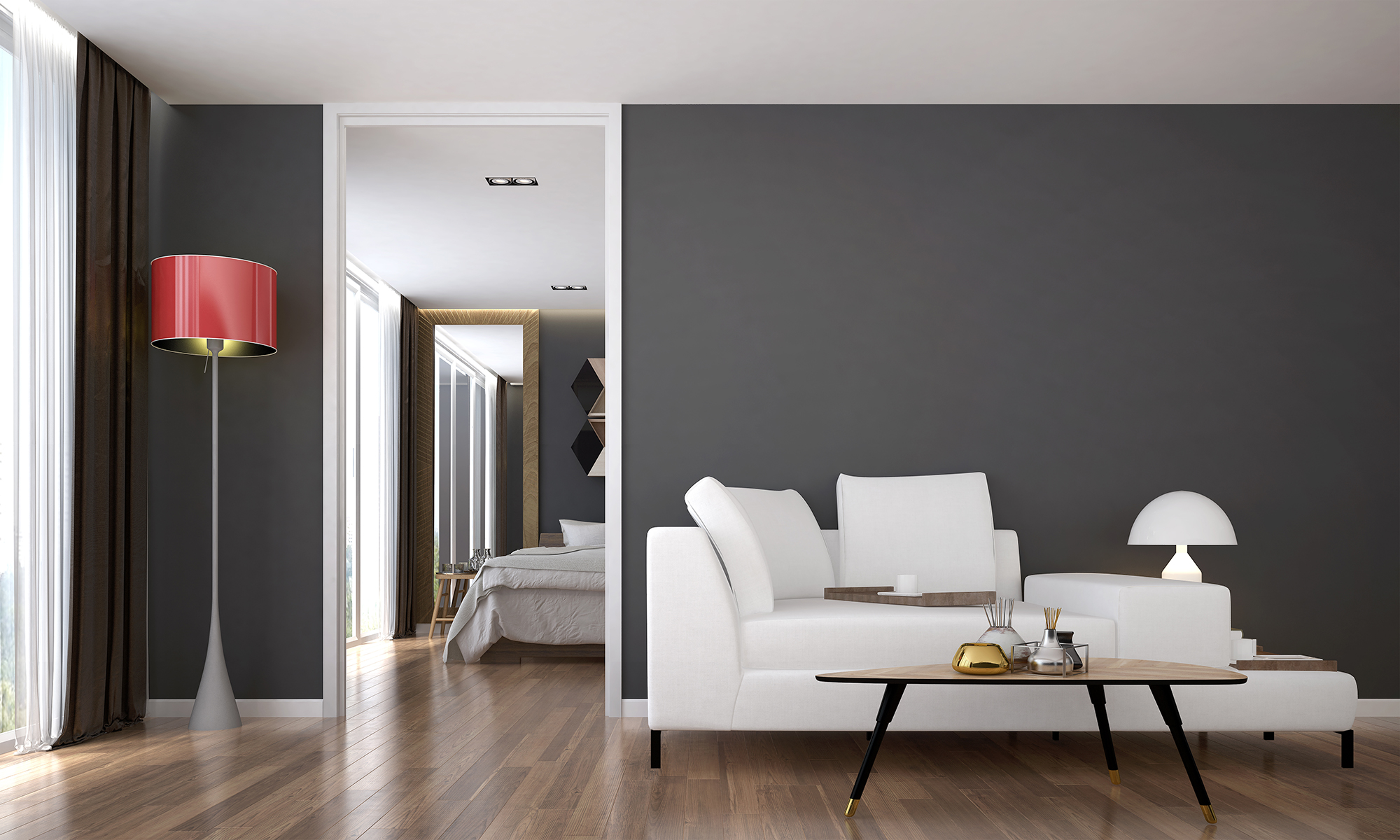
This guide explains which flooring choices tend to strengthen buyer perception and where value can quietly be lost.
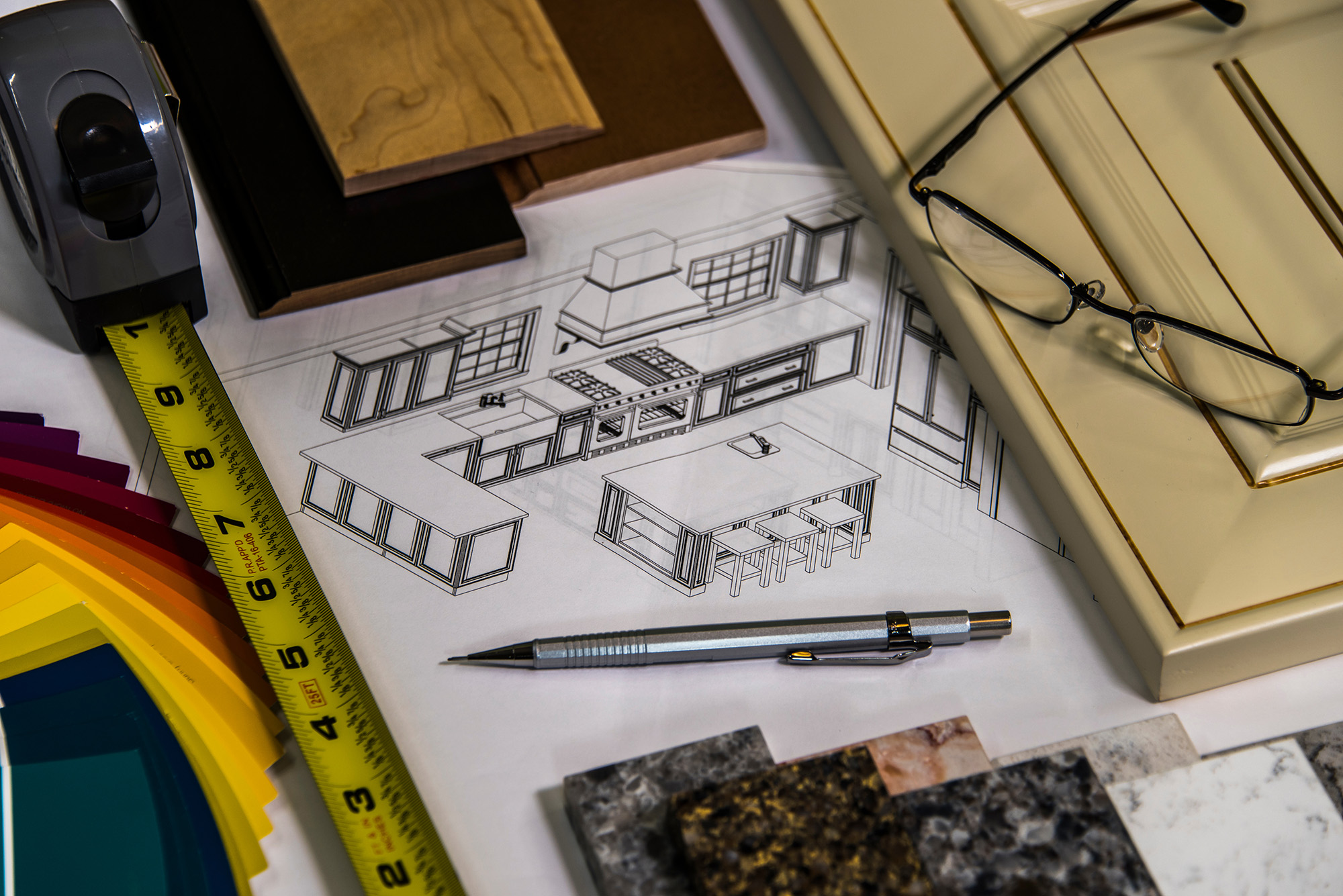
This guide explains where the blend works, where it breaks down, and how homeowners can make it look intentional.
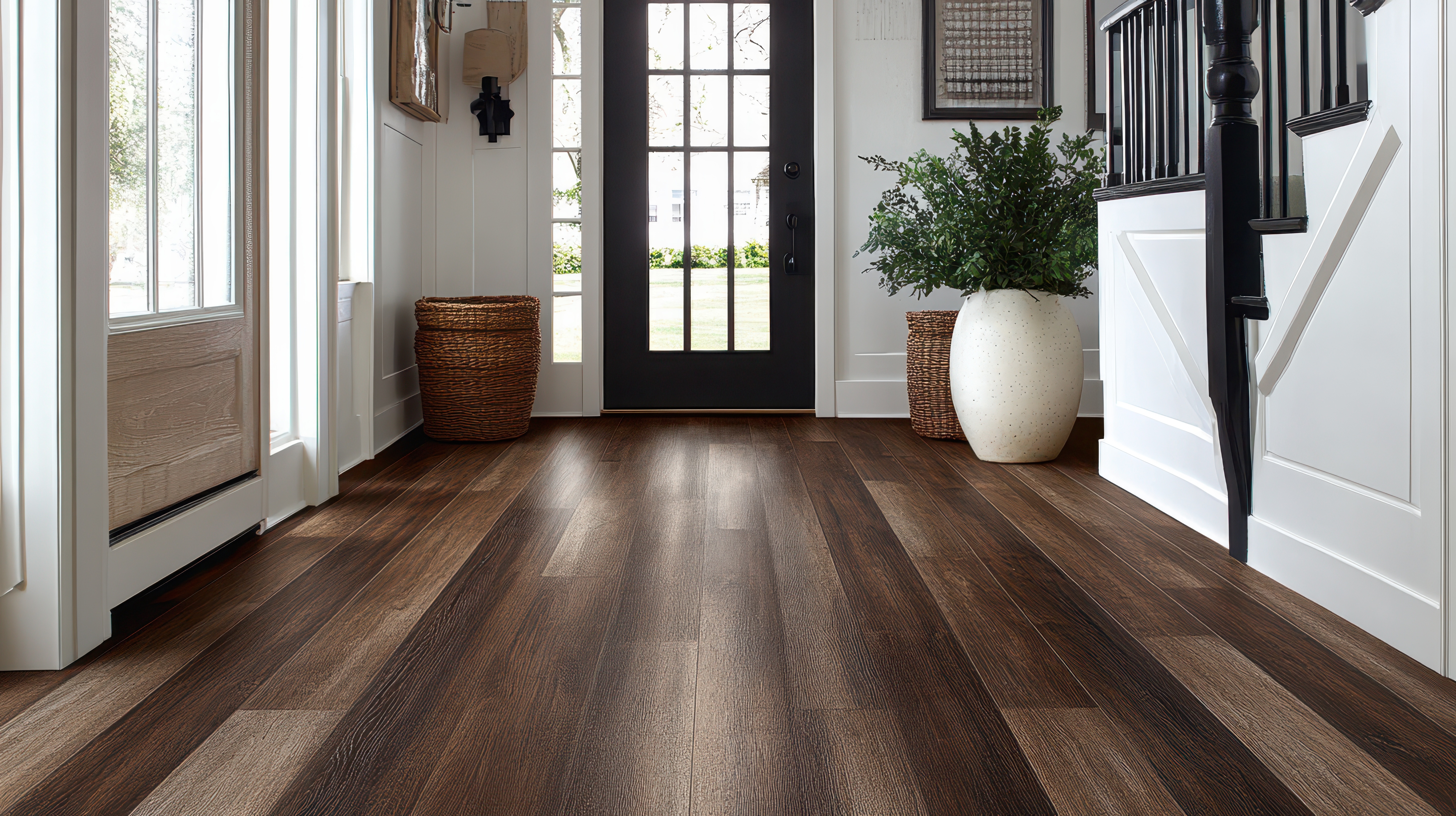
This article explains where full continuity works, where it needs specification changes, and how to avoid expensive weak points.
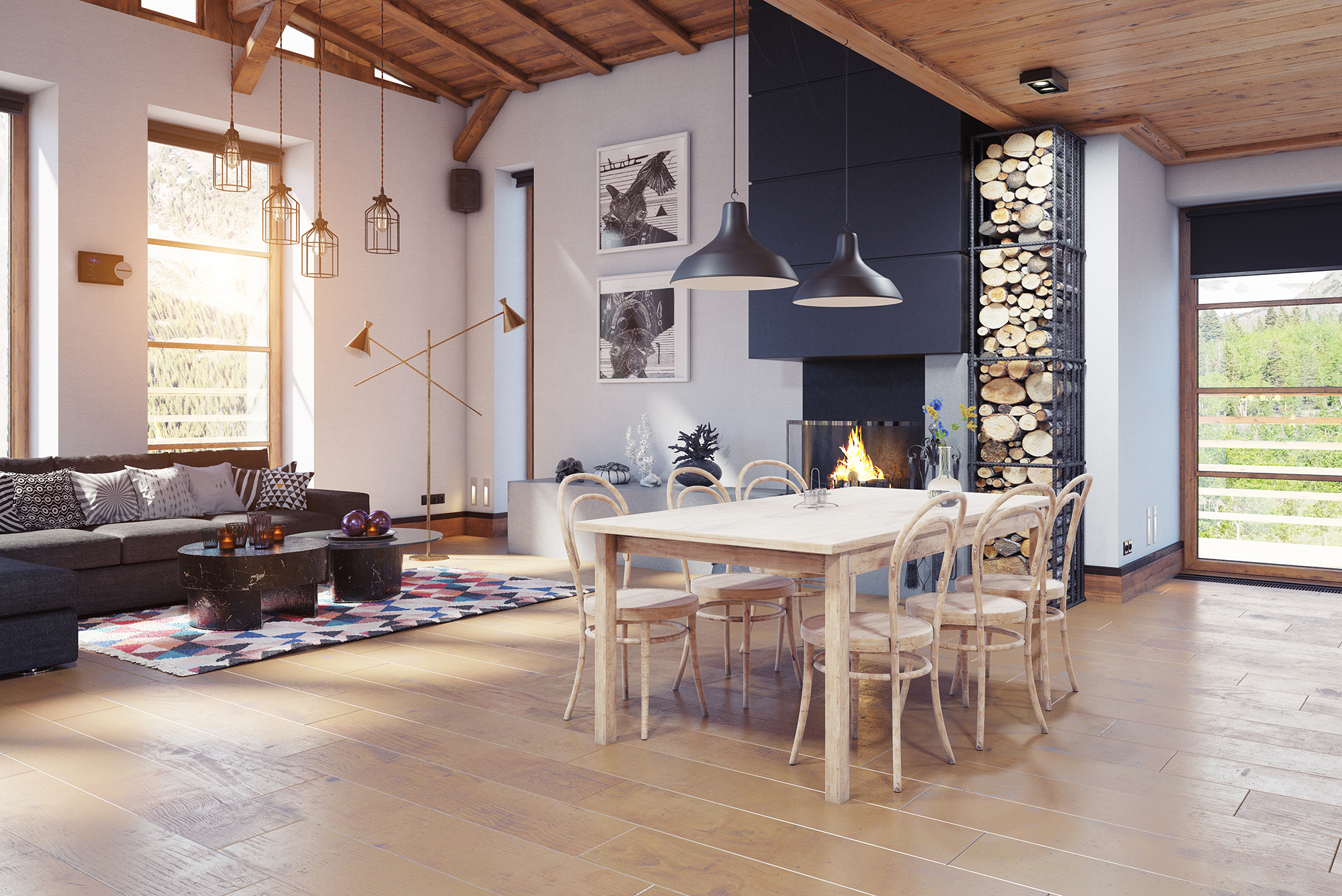
This guide shows how to evaluate laminate texture, embossing, and sheen under your actual bulbs and daylight angles, so you don’t get fooled by showroom glow or phone screens.
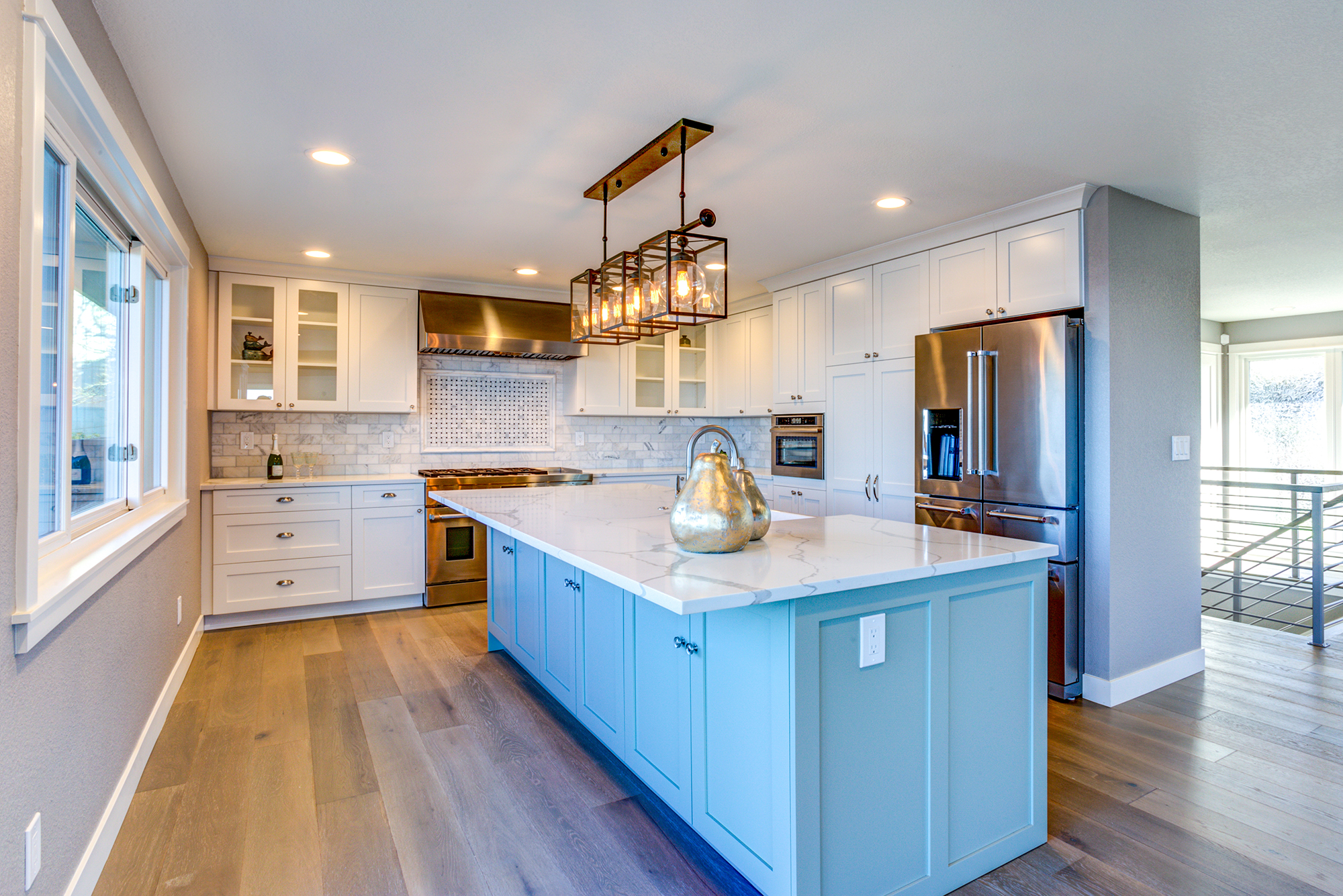
This guide lays out the exact technical conditions that separate “beautiful for years” from “warped by next season”.
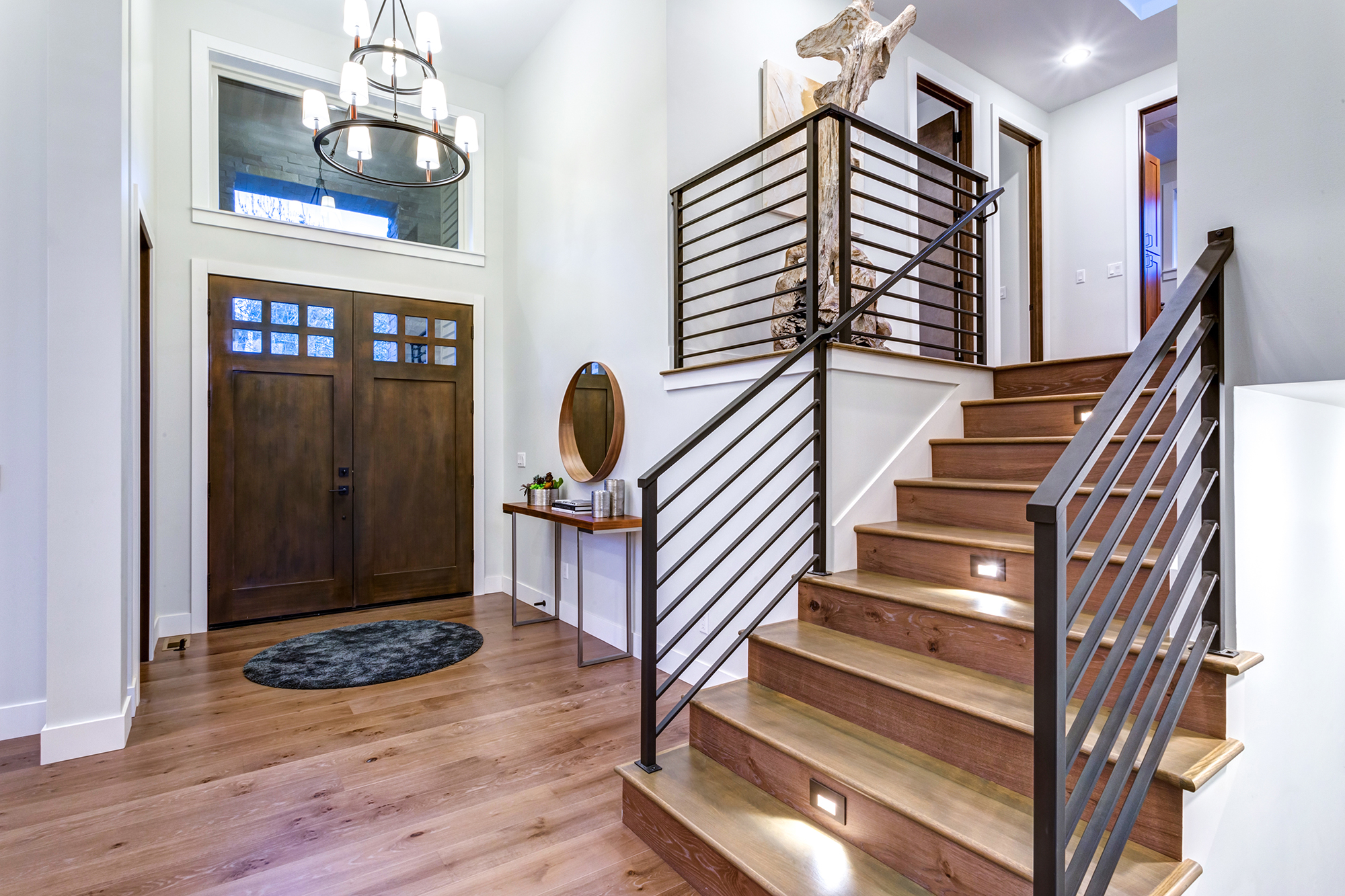
Laminate stairs look cheap for one main reason: the nosing detail. This guide breaks down flush vs overlap stair nosings, the exact measurements that matter, and the install choices that create a true custom, built-in look.
1022 West Morena Blvd #ABC San Diego, CA 92110 | (619) 272-4473
Servicing: San Diego, La Jolla, Carlsbad, Chula Vista, Poway, Encinitas, Coronado, El Cajon, La Mesa, Rancho Bernardo, Palm Valley, Del Mar, Cardiff, Oceanside, Vista, San Marcos, Escondido


Copyright © 2026 America's Best Flooring | Privacy | Accessibility