

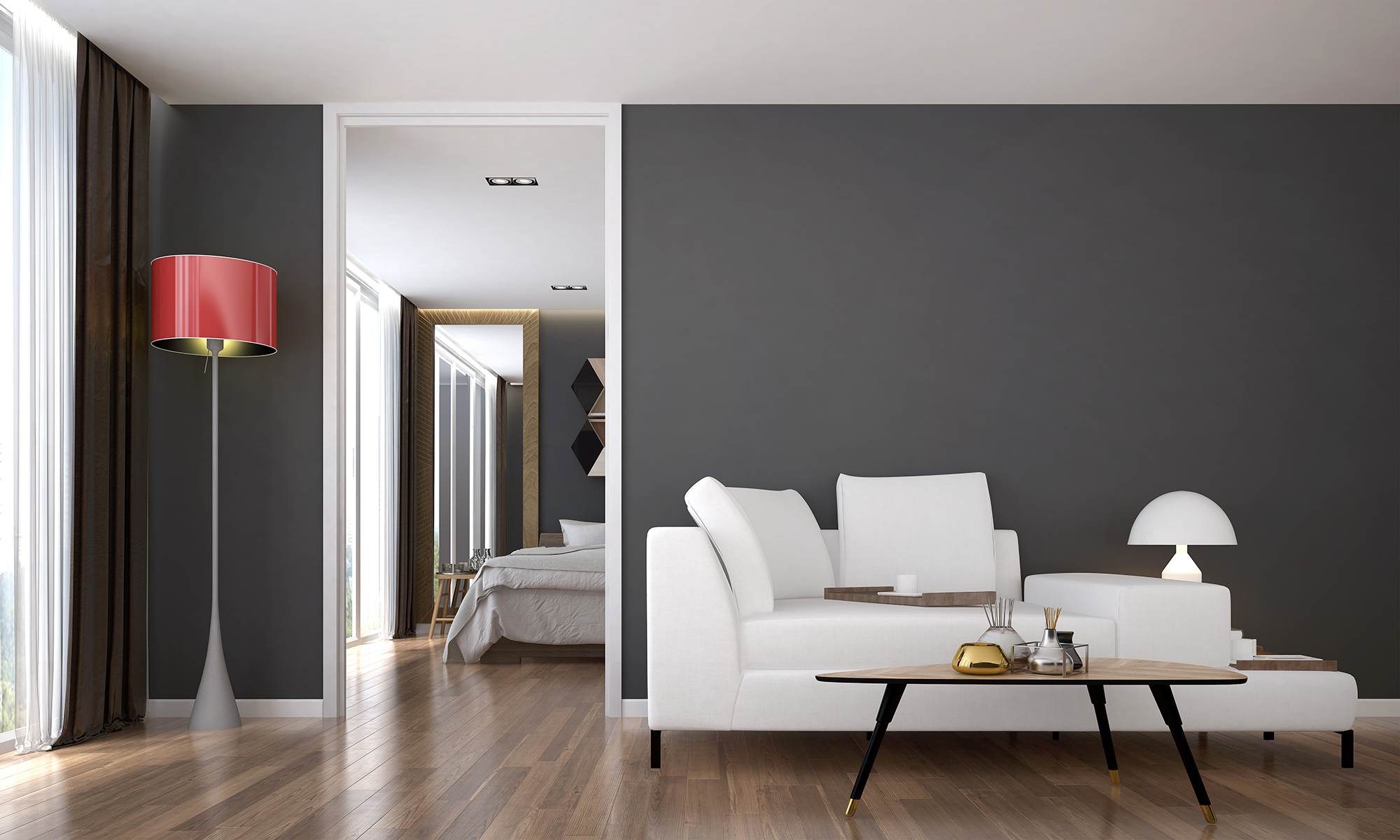
Homeowners often ask which flooring adds the most value. The honest answer is that value is shaped by more than one variable. Material matters, but so do consistency, installation quality, design fit, and whether the flooring solves the way a home actually lives.
For San Diego remodels, the strongest value usually comes from flooring choices that improve buyer perception immediately and reduce obvious future work. Buyers notice clean sightlines, durable surfaces, and finishes that feel current but not risky. They also notice bad transitions, hollow sounds, visible wear, and rooms that feel mismatched.
That means the “best” flooring is not always the most expensive one. It is the product package that fits the home, fits the room, and looks correctly installed.
Hardwood still carries the strongest premium signal
In most buyer psychology, hardwood remains the clearest premium flooring signal for main living spaces. It feels established, durable, and architecturally grounded. In entry areas, living rooms, dining rooms, and many primary bedrooms, hardwood often gives a remodel the strongest long-term value story.
But not all hardwood creates equal value. Buyers respond best when the floor feels believable for the house. A modern wide-plank oak can look excellent in a renovated open layout, while a more traditional plank may make better sense in a classic home. The goal is not to chase trend for trend’s sake. It is to create a floor that feels right the moment a buyer walks in.
Finish selection matters here too. Lower-sheen finishes generally age better visually and photograph better in listing images. That helps both in person and online, where first impressions increasingly happen.
Laminate can support value when it solves a real use case
Laminate does not usually carry the same prestige as hardwood, but it can still support home value when used intelligently. In secondary bedrooms, bonus rooms, or budget-sensitive remodels, a high-quality laminate with good visuals and a solid installation can absolutely improve buyer perception compared with worn carpet or dated surfaces.
What hurts value is not laminate itself. It is cheap-feeling laminate. Thin products, repetitive visuals, noisy underfoot performance, weak transitions, and obvious edge wear tend to read poorly. A better laminate with realistic texture, decent board proportions, and a clean layout is a different story.
For many homeowners, that makes laminate less of a “shortcut” and more of a strategic room-by-room choice.
Tile matters most in wet and utility zones
While hardwood and laminate often drive the conversation, tile plays an important value role in bathrooms, laundry areas, mudrooms, and some kitchens. In remodels, buyers usually respond well to tile that feels intentional, properly laid out, and comfortable within the overall house palette.
This is where installation quality becomes critical. Poor lippage, awkward cuts, inconsistent grout joints, or overly trendy patterns can reduce the sense of craftsmanship quickly. Tile adds value when it feels precise and durable, not when it looks like a style experiment.
Continuity is one of the most underrated value drivers
One of the biggest resale mistakes is flooring fragmentation. Too many materials, too many colors, or too many abrupt transitions make the house feel smaller and less finished.
Continuity does not mean every room must have the exact same floor. It means the home should feel visually coordinated. When the main areas carry a consistent flooring language and secondary spaces support that language, buyers tend to read the entire remodel as more polished.
This is why planning matters as much as product choice. A house with moderately priced but well-coordinated floors often feels more valuable than a house with expensive materials used inconsistently.
Installation quality is where value is won or lost
Even a good product can underperform in resale if the install looks sloppy. Buyers may not know technical flooring vocabulary, but they absolutely notice uneven transitions, noisy spots, poor stair details, visible pattern repeats, and trim that does not meet the floor cleanly.
Subfloor preparation is also part of value. Floors that feel hollow, bounce underfoot, or telegraph subfloor imperfections reduce confidence fast. A remodel that feels solid tends to feel more expensive, even before buyers identify why.
What usually delivers the best return
For many San Diego homes, the best value combination is hardwood in the most visible living areas, well-chosen tile in wet zones, and either continued hardwood or a strong laminate option in secondary spaces depending on budget and home positioning.
The right answer depends on whether you are remodeling for long-term enjoyment, near-term resale, or a balance of both. A showroom consultation helps narrow that down because samples alone do not tell you how a floor will read across an entire house.
The flooring choices that increase home value in San Diego are usually the ones that create visual consistency, hold up to daily life, and feel correctly installed from room to room. Hardwood often leads in public spaces, tile matters in wet zones, and laminate can support value when it is used strategically and specified well.
Visit our showroom to compare hardwood and laminate options that make sense for your remodel goals and budget. We work with homeowners across San Diego, La Jolla, Carlsbad, Chula Vista, Poway, Encinitas, Coronado, El Cajon, La Mesa, Rancho Bernardo, Palm Valley, Del Mar, Cardiff, Oceanside, Vista, San Marcos, Escondido. Contact us to discuss your project and get a flooring plan designed to support both daily living and buyer appeal.


