

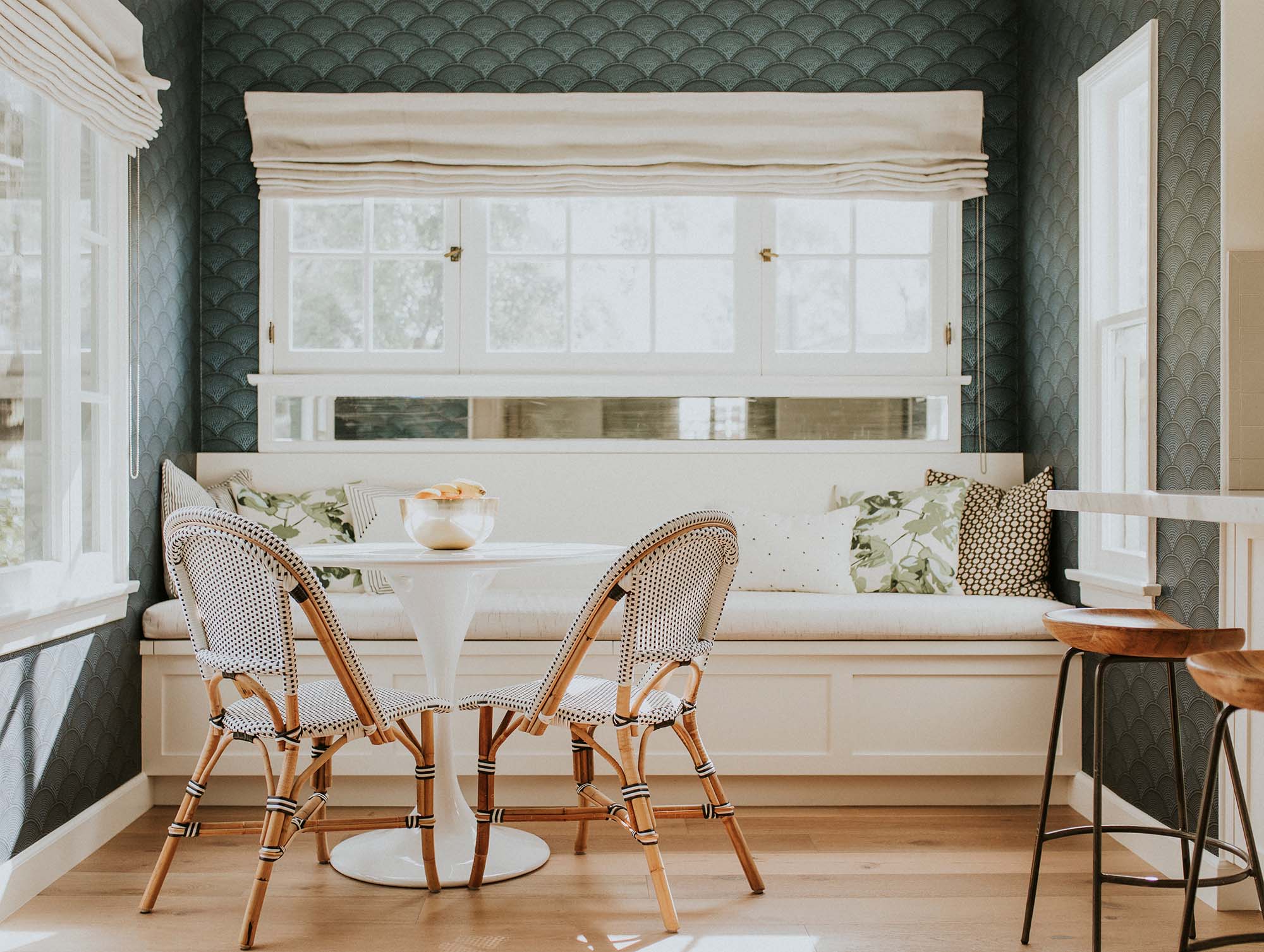
Choosing flooring for a home you plan to sell soon is different from choosing flooring for your forever home. You still need something attractive and durable, but every decision should be filtered through buyer appeal, cost recovery, maintenance, and how the floor will photograph when the home goes on the market.
The goal is not to choose the cheapest floor or the trendiest floor. The goal is to choose flooring that makes the home feel clean, updated, easy to maintain, and broadly desirable. In a competitive San Diego market, flooring can influence first impressions the moment a buyer walks through the door.
Think Like a Buyer, Not Just an Owner
When you are staying in a home long term, personal taste can lead the decision. When you plan to sell in three years, flooring should feel neutral enough for many buyers to imagine their own furniture, rugs, and lifestyle in the space. This does not mean boring. It means intentional.
Buyers tend to notice uneven transitions, old carpet, scratched hardwood, stained flooring, mismatched rooms, and surfaces that look difficult to maintain. They may not know the technical details, but they can feel when a home looks patched together. A consistent flooring plan can make the property feel larger, cleaner, and more move-in ready.
Choose Colors With Broad Resale Appeal
For resale, medium-light natural wood tones are usually safer than extreme colors. Very gray floors can feel dated because that trend has cooled. Very dark floors can look elegant but often show dust and scratches. Very pale floors can photograph well but may feel thin or high-maintenance in real life.
Natural oak, warm beige, light brown, soft taupe, and balanced neutral wood tones tend to work across many interior styles. They pair well with white walls, existing cabinets, modern furniture, traditional furniture, and staged interiors. The floor should support the home rather than become the loudest design decision in the listing photos.
Decide Between Hardwood and Laminate Strategically
Hardwood can be a strong resale feature, especially in homes where buyers expect higher-end finishes. Engineered hardwood is often practical because it offers real wood character with better stability than solid hardwood in certain installations. If the home already has hardwood in key areas, extending or refinishing it may create a more cohesive result.
Laminate can make sense when the budget is tighter, durability is important, or the existing floors need a clean update before selling. Modern laminate can look much more realistic than older products, especially with textured surfaces and better plank visuals. The key is to avoid thin, hollow-sounding, overly shiny laminate that signals a quick flip rather than a thoughtful upgrade.
Avoid Over-Upgrading the Wrong Rooms
Not every room needs the most expensive material. If the home will be sold in a few years, spend where buyers notice the most. Main living areas, kitchens, hallways, and primary bedrooms usually carry more visual weight than secondary bedrooms, closets, or low-traffic spaces.
That said, inconsistent flooring can hurt the overall impression. If budget does not allow premium flooring everywhere, choose a practical product that can run through more areas cleanly. Fewer transitions often make a home feel larger and more updated. A modest but cohesive floor can sometimes sell better than one expensive room surrounded by tired surfaces.
Fix Subfloor and Transition Issues Before Listing
Buyers may forgive a floor color they would not have chosen. They are less forgiving of squeaks, soft spots, uneven seams, lifting edges, and awkward height changes between rooms. These issues can make buyers wonder what else was done poorly in the home.
Good installation matters as much as product selection. Subfloor flatness, moisture testing, expansion gaps, transition planning, and proper acclimation all affect performance. If you are replacing floors before selling, this is not the place to cut corners. A clean installation helps the floor feel permanent, not cosmetic.
Choose Flooring That Photographs Well and Lives Well
Listing photos matter, but the floor also needs to survive showings, open houses, moving furniture, pets, cleaning, and daily life before the sale. A low-sheen finish is usually better than high gloss because it reduces glare and hides small marks. Moderate texture can also help conceal wear without looking too rustic.
Think about how the floor will look with staging. Neutral wood tones give photographers and stagers more flexibility. They also help rooms feel brighter without forcing a specific design style. If the home has strong natural light, test samples in the actual space so the chosen color does not shift too yellow, gray, or washed out.
If you plan to sell in three years, flooring should be chosen with a clear resale strategy. Look for broad appeal, durable construction, clean installation, and colors that make the home feel fresh without chasing a short-lived trend. The right floor can help your home feel more valuable before buyers even study the details.
For help choosing hardwood or laminate flooring with resale value in mind, visit @@companyname@@ at @@all-showrooms@@. We proudly serve @@service-areas@@. Contact us today to compare buyer-friendly flooring options and plan an upgrade that makes sense before you sell.


